
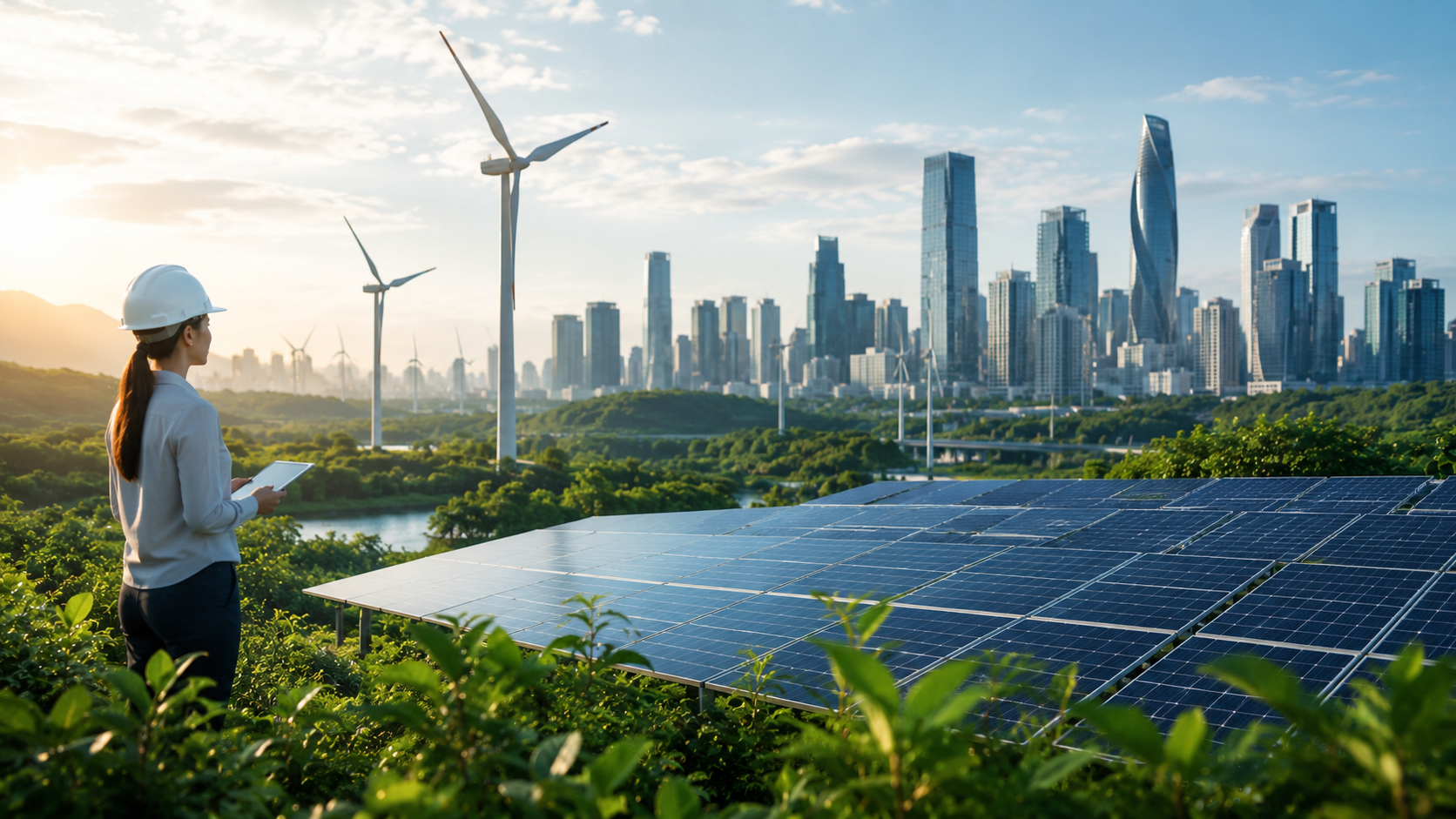
Discover how Green Innovation creates economic opportunities through sustainable technologies, clean energy, resource efficiency, and business growth.
Green Innovation and Economic Opportunity
As businesses and governments work toward a more sustainable future, Green Innovation has become a powerful driver of economic growth and long-term competitiveness. By developing environmentally responsible technologies, improving resource efficiency, and reducing carbon emissions, organizations are creating new opportunities for investment, employment, and business expansion.
Rather than viewing sustainability as a cost, many industries now recognize that innovation focused on environmental responsibility can generate significant economic value while supporting global development.
Understanding Green Innovation
Green Innovation refers to the development of products, services, technologies, and business processes that reduce environmental impact while improving efficiency and sustainability.
These innovations help organizations lower emissions, conserve natural resources, minimize waste, and create solutions that benefit both businesses and society.
Driving Economic Growth
Investment in sustainable technologies contributes to economic development by encouraging entrepreneurship, supporting infrastructure projects, and creating new markets.
Businesses that embrace innovation often improve productivity while opening opportunities for long-term expansion in emerging industries.
Expanding Renewable Energy
Renewable energy remains one of the fastest-growing sectors influenced by Green Innovation. Solar, wind, hydroelectric, and other clean energy technologies continue to reduce dependence on fossil fuels while supporting energy security.
Growing investment in renewable energy also creates employment opportunities across engineering, manufacturing, installation, and maintenance.
Advancing Sustainable Manufacturing
Manufacturers are adopting cleaner production methods that reduce waste, improve energy efficiency, and optimize resource usage.
Sustainable manufacturing lowers operating costs while helping businesses meet evolving environmental standards and consumer expectations.
Supporting the Circular Economy
The circular economy encourages businesses to design products that can be reused, repaired, refurbished, or recycled instead of being discarded after use.
This approach reduces waste, conserves valuable materials, and creates additional economic value through more efficient resource management.
Encouraging Technological Development
Emerging technologies such as artificial intelligence, automation, smart sensors, and data analytics are helping businesses improve environmental performance.
Technology-driven Green Innovation enables organizations to monitor energy consumption, optimize operations, and reduce unnecessary resource use.
Creating New Employment Opportunities
The transition toward sustainable industries is generating demand for professionals in renewable energy, environmental engineering, sustainable construction, clean transportation, and green technology development.
These expanding sectors contribute to workforce development and long-term economic resilience.
Attracting Sustainable Investment
Investors increasingly seek businesses that demonstrate strong environmental responsibility and long-term sustainability strategies.
Organizations focused on green innovation often benefit from improved access to funding through ESG-focused investments, green bonds, and sustainability initiatives.
Meeting Consumer Expectations
Modern consumers increasingly support businesses that demonstrate environmental responsibility. Companies offering sustainable products, eco-friendly packaging, and transparent environmental practices often strengthen customer trust and brand loyalty.
Responding to changing consumer preferences creates new opportunities for market growth.
Preparing for Future Regulations
Governments around the world continue introducing environmental regulations that encourage cleaner technologies and sustainable operations.
Businesses investing in Green Innovation today are often better prepared to meet future compliance requirements while maintaining competitive advantages.
Building Long-Term Business Resilience
Sustainability and innovation work together to strengthen business resilience. Organizations that reduce resource consumption, improve operational efficiency, and invest in cleaner technologies are often better equipped to manage economic uncertainty and changing market conditions.
Long-term planning supported by innovation creates lasting value for businesses and communities alike.
Conclusion
Green Innovation is transforming the global economy by creating sustainable business opportunities, supporting technological advancement, and driving long-term economic growth. Through renewable energy, sustainable manufacturing, circular economy practices, and environmentally responsible technologies, organizations can reduce environmental impact while improving profitability and competitiveness. Businesses that invest in green innovation today are well positioned to succeed in the evolving global marketplace.
FAQ
1. What is Green Innovation?
Green Innovation is the development of environmentally friendly products, technologies, and business practices that reduce environmental impact while supporting sustainable economic growth.
2. Why is Green Innovation important?
It helps reduce carbon emissions, improve resource efficiency, encourage sustainable development, create jobs, and support long-term business competitiveness.
3. How does Green Innovation support economic growth?
It drives investment, encourages technological advancement, creates new industries, generates employment opportunities, and improves business productivity.
4. Which industries benefit from Green Innovation?
Industries including renewable energy, manufacturing, transportation, construction, agriculture, and technology benefit significantly from sustainable innovation.
5. How can businesses adopt Green Innovation?
Businesses can invest in clean technologies, improve energy efficiency, reduce waste, implement sustainable manufacturing practices, support circular economy initiatives, and develop environmentally responsible products and services.
